

In Gorizia, a one-of-a-kind project has come to life: DAG. No, the gallery’s name is not connected to us at DAG Communication. It stands for Digital Art Gallery, a new immersive digital art space created through the regeneration of the historic Galleria Bombi—once an air-raid shelter and later a pedestrian and cycling passage between Gorizia and Nova Gorica.
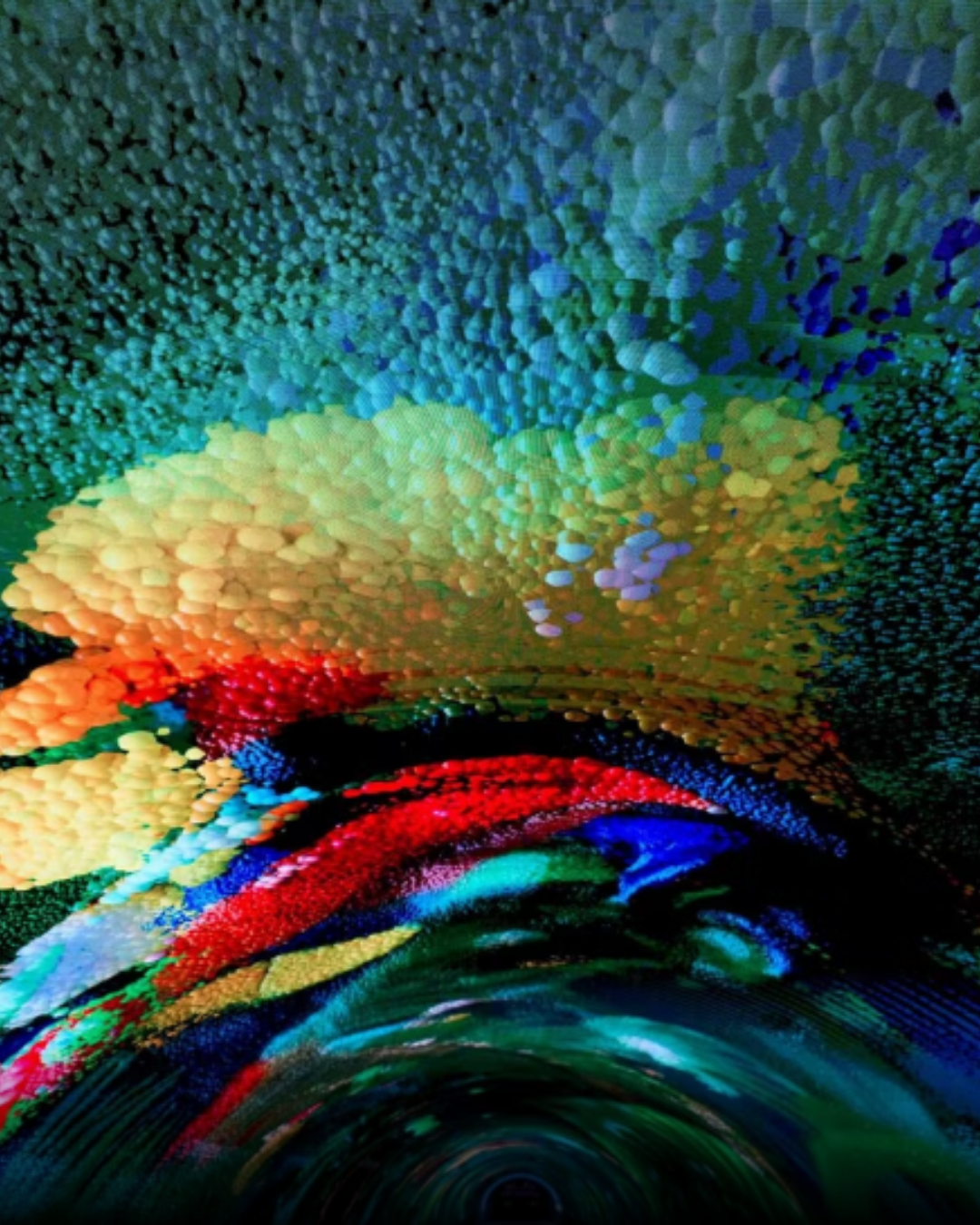
Here, across more than 1,000 square meters of LED surfaces and along a route of approximately 300 meters, Turkish-American artist Refik Anadol, a pioneer of media art and the use of AI in art, has inaugurated “Data Tunnel”: a visual and sound installation generated by artificial intelligence that transforms this transit space into a living digital organism.
The project is part of the GO! 2025 – Nova Gorica & Gorizia European Capital of Culture program, with the aim of positioning the city as a new European reference point for digital art and technological innovation.
“Data Tunnel”: Technology, AI and the artistic experience
Officially opening the gallery is the inaugural installation “Data Tunnel”, conceived as a site-specific work by Refik Anadol, who has transformed the passageway into a continuous flow of light, images and sound. At the heart of the project is the Large Nature Model, an AI model trained on millions of images of ecosystems and natural materials.
The data generate organic, pulsating and ever-changing visual landscapes: botanical forms, atmospheric rhythms and digital environments unfold along the entire route. This is not a simple video projection, but an immersive digital organism in which visitors, light, colors, sounds and space are in constant dialogue.
“Data Tunnel” is therefore an example of how visual technologies and AI are not merely technical tools, but can become new expressive materials for creativity and communication, reminding us that:
- AI can be a creative tool, not just an operational one;
- data can be transformed into sensory experiences, not just numbers or charts;
- immersive technology opens up new possibilities for events, architecture and cultural spaces.
From our perspective as digital communication professionals, projects like this are a powerful source of inspiration, pushing us to imagine new ways of engaging audiences that are increasingly focused on experiences, 360° storytelling and technology as an integral part of the message.
A lesson in destination management
The Digital Art Gallery is not simply a “cultural event,” but a driver of territorial attraction, through which the city of Gorizia has been able to:
- transform a historic site into an international cultural attraction;
- use art and technology to create a new urban identity;
- stimulate visitor flows and media attention.
It is an excellent example of how culture, technology and communication—working together—can give visibility and new value to territories, redeveloping less central locations into destinations capable of attracting attention, audiences and new opportunities.
Watch the full video on YouTube to experience the installation in motion


